


The Death of The Cheap Laptop is Coming
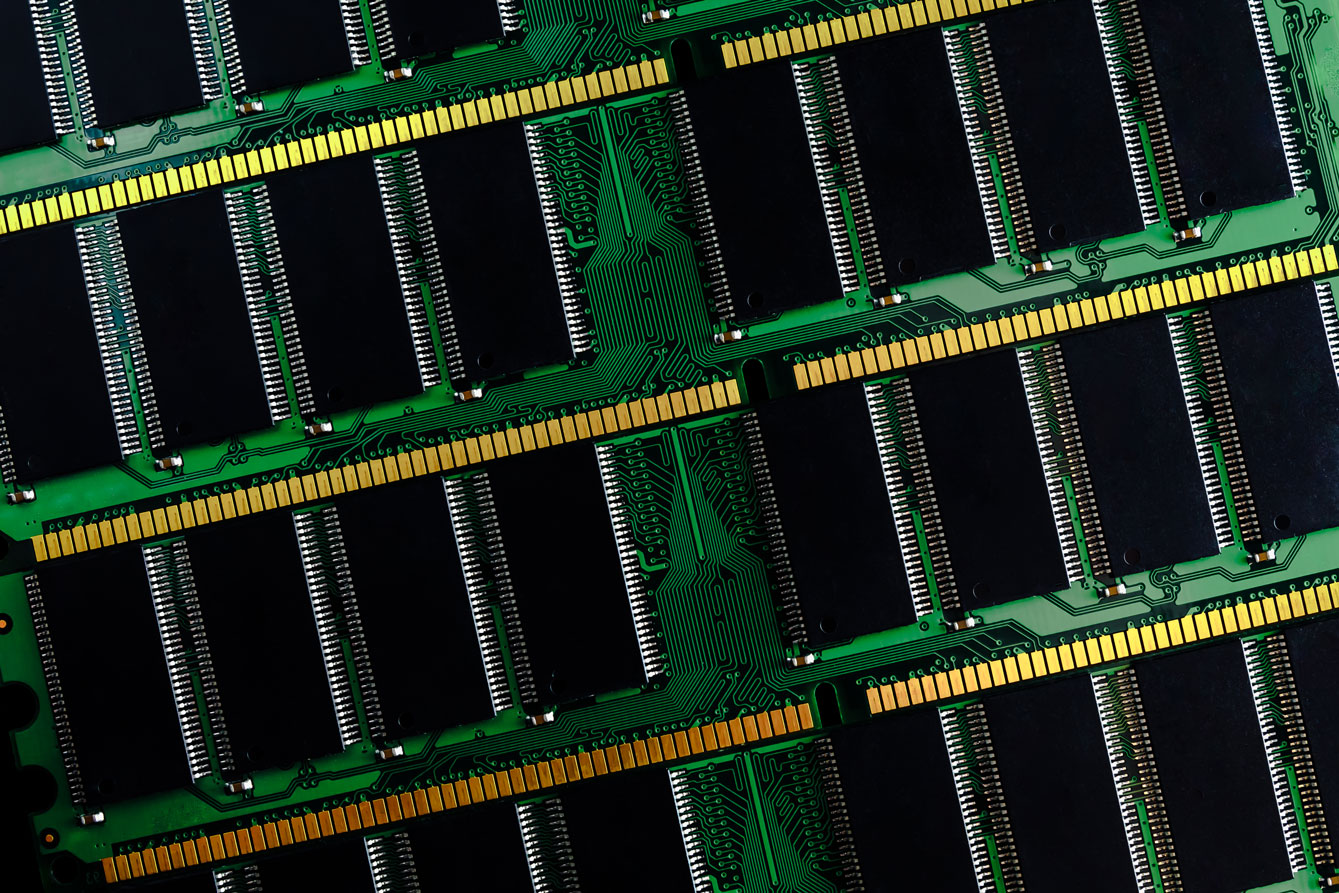
AI data centers are buying up the components your next device is built from, and the window to purchase at today’s prices is closing faster than most procurement budgets are tracking.
A colleague recently shared a piece from NYT Wirecutter that I want to put in front of every EO client. Arthur Gies, a technology editor who has covered computing for nearly two decades, opened with a small personal example.
In January 2025, he built a PC for a coworker: motherboard, processor, DDR5 memory, about $800 in parts. A few weeks ago he built the same machine for another colleague. The bill came to $1,200. Same components, thirteen months apart, fifty percent more money. His one-line conclusion: “And it’s all thanks to AI.”
This shift is going to land on your technology budget whether or not your business is using AI directly. Below is what’s driving it, what it means for your environment specifically, and how EO is positioning ahead of it on your behalf.
What’s Actually Happening:
It starts with memory chips: DRAM (the RAM in every computer) and NAND (the storage technology behind every solid-state drive). Three companies make almost all of the world’s DRAM — Samsung and SK Hynix in South Korea, and Micron in the United States. The same group, plus a handful of others, makes virtually all NAND.
Last fall, OpenAI announced it had secured a significant portion of Samsung’s and SK Hynix’s combined DRAM output. Analysts estimate the arrangement could lock up roughly 40% of the world’s RAM supply for the life of the contract. That deal triggered a rush among other AI companies to secure similar long-term commitments. Manufacturers followed the money. AI buyers pay substantially more per chip than consumer electronics makers do, so production capacity is being redirected toward data centers.
The result is that the components going into every laptop, workstation, and smart device your organization depends on are in shorter supply and sharply more expensive. A 32GB DDR5 kit that sat around $90 last summer is now closer to $400. SSD prices have doubled or more since December. Per the Wirecutter reporting, some component manufacturers have already informed customers that their entire 2026 inventory is sold.
- ~300% DDR5 RAM price increase since summer 2025
- 2x+ SSD price increase since December 2025
- ~40% Estimated share of global RAM supply locked by one AI agreement
What This Looks Like at The Laptop Counter:
The increases are already showing up in new product launches. Dell’s new XPS 14 opens above $2,000; the comparable 2025 model started at $1,550. The 2025 Asus Zenbook Duo launched at $1,700, and the 2026 version is already listed by retailers at $2,400. These aren’t isolated cases. Comparable laptop models are running roughly 20% above last year across multiple manufacturers, and the Wirecutter reporting notes that companies that thought they’d absorbed the RAM cost problem are now facing storage price increases on top of it.
Real-World Price Examples – 2025 vs. 2026 Models:
- +50% — PC build (board + CPU + RAM, same spec): $800 → $1,200
- +41% — Asus Zenbook Duo: $1,700 → $2,400
- +29% — Dell XPS 14 (comparable config): $1,550 → $2,000+
- +10% — Apple MacBook Air (base model): $999 → $1,099
For EO clients whose standard workstation sits in the sub-$1,000 range, the pressure is especially acute. Wirecutter Deals editor Nathan Burrow put it plainly: as warehouse stock of already-manufactured entry-level laptops dries up, discounts will dry up first, and price increases will follow. IDC analyst Jitesh Ubrani expects manufacturers to shift their portfolios toward mid- and premium-tier products and scale back entry-level offerings altogether.
The Hidden Risk: “Shrinkflation” in Your Next Purchase
ticker prices are the obvious problem. The quieter problem is shrinkflation: manufacturers keeping a familiar price point while reducing the hardware inside the box. HP said this directly on its last earnings call, with management citing responses that include “redesigning the portfolio for reduced memory configurations and raising prices.” Translated: a laptop with the same brand, same price, and even the same model name as your current standard device may arrive with less RAM or slower storage than the one it replaces.
Without a specification review at the point of purchase, organizations don’t catch this until the device is in someone’s hands and underperforming. This is where EO’s procurement process, which evaluates the actual specs rather than the model name on the lid, earns its keep.
“Once demand and supply have settled on higher pricing, it’s tough to bring that back down until there’s an increased amount of competition—something we’re not expecting anytime soon.”
— Jitesh Ubrani, IDC Research Manager, via NYT Wirecutter
How Long Will This Last?
Longer than most people expect. Component manufacturers have no structural incentive to expand consumer-oriented capacity. If AI demand eventually softens, they don’t want to be holding excess inventory, a position that hurt them badly in 2023 and 2024. The new fab capacity being built is for AI server products, not laptops and workstations.
Dell vice chairman Jeffrey Clarke was blunt on the company’s investor call last November: the industry has not seen costs move at the current rate before, and the cost basis is rising across all products. Lenovo is already warning its business customers that prices will increase, and its competitors are expected to follow. IDC’s Ubrani projects memory prices rising well into 2027, with PC price increases accelerating in the second half of this year.
The Wirecutter analysis is direct: even if the AI investment cycle eventually cools, prices are unlikely to snap back to what 2023 and 2024 established as the baseline. The affordable end of the business laptop market may simply not return in the form organizations have depended on.
What Electronic Office is Doing About This?
This is the kind of market where having a technology partner instead of a reactive vendor relationship matters. Our hardware procurement process already includes a specification check before every purchase. In a shrinkflation market, that check is the difference between deploying what your team needs and discovering months later that you paid 2026 prices for 2023-tier performance.
We’re actively monitoring inventory and pricing trends. If you have a hardware refresh on the horizon — planned, or triggered by aging equipment — that conversation is overdue. The advice Wirecutter is giving consumers tracks our advice for clients: if you can act while 2025-era inventory is still on shelves, that is meaningfully cheaper than waiting. If you’re buying later in 2026, plan on 20–30% above your historical budget for comparable hardware.
For clients whose existing devices still have runway, the goal is to get every productive mile out of that hardware. That means keeping devices well-maintained, lean, and properly secured, work EO already does as part of your ongoing service. The point is to make sure your next purchase is a strategic decision rather than a forced one.
If you’d like to review your current inventory and walk through a procurement strategy, reach out to your EO advisor. The window for that conversation is open now.